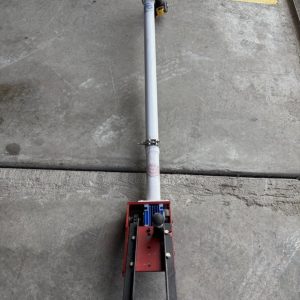
The Aircraft Electric Tow Bar – Mini Max Style offers a space-saving approach to aircraft handling for operators who want powered mobility without purchasing or storing a full-size tug. An Aircraft Electric Tow Bar can reduce the physical effort associated with pushing or pulling an airplane while helping the operator maintain controlled movement in confined areas.
The Electric Tow Bar for Aircraft is available as a well-maintained used unit for operators who want dependable ground-handling equipment without the expense of a large powered tug. When considering a Used Electric Aircraft Tow Bar, buyers should review its maintenance history, previous application, included accessories, current photographs, and operating demonstration.
The Mini Max Aircraft Tow Bar configuration is particularly attractive to buyers who value compact storage, straightforward setup, portable operation, and practical maneuverability. The included Aircraft Tow Bar with Drill and Aircraft Tow Bar with Charger create a more complete package for users who want equipment that can be prepared for service without sourcing major accessories separately.
A Portable Aircraft Tow Bar is valuable for owners who need compact ground-support equipment that can be repositioned, transported, or stored with limited difficulty. The unit can provide the benefits of a Powered Aircraft Tow Bar and Electric Airplane Tow Bar for owners who confirm attachment compatibility and operational suitability.
When evaluating Aircraft Ground Handling Equipment, owners should compare towing capacity, aircraft connection, controls, storage size, portability, and total operating cost. The package may be described as an Electric Aircraft Mover because it provides powered assistance for aircraft positioning without requiring a conventional motorized tug.
Key Benefits of a Mini Max Style Electric Tow Bar
This type of powered tow bar is designed to support routine general aviation handling where compact size and controlled operation are priorities. Actual towing ability is influenced by the aircraft, ground surface, gradient, wheel resistance, connection method, operator technique, and mechanical condition of the unit.
Private owners often prefer compact equipment when they need to align an aircraft carefully inside a limited storage area. Powered assistance does not replace careful observation, communication, and safe movement procedures around aircraft, doors, walls, vehicles, or personnel.
Electric Tow Bar for Aircraft Benefits
An Electric Tow Bar for Aircraft provides powered assistance that may help owners move compatible airplanes without relying on several people for routine hangar operations. Potential applications include moving an airplane for maintenance access, hangar entry, cleaning, storage, preflight preparation, or equipment rearrangement.
Moving an aircraft without engine power can reduce unnecessary propeller activity, exhaust, noise, fuel consumption, and airflow inside or near the hangar. The operator should follow the aircraft manufacturer’s towing guidance and avoid exceeding steering, nose-wheel, or tow-point limitations.
Used Electric Aircraft Tow Bar Purchase Guide
A Used Electric Aircraft Tow Bar can provide excellent value when it has been operated carefully, stored correctly, and supplied with functioning powered accessories. The reported six-month period of Navion use may indicate relatively limited service, although buyers should still inspect and test the complete unit.
Buyers should request clear photographs of the frame, wheels, attachment assembly, powered drive, drill, charger, wiring, fasteners, handles, and areas showing wear. A video demonstrating connection, forward movement, reverse movement, steering, stopping, drill operation, and charging can provide valuable evidence for a remote buyer.
Mini Max Aircraft Tow Bar Applications
A Mini Max Aircraft Tow Bar appeals to users who prioritize portability, manageable setup, and controlled movement over the capacity of a large commercial tug. The close-control configuration can help users align the aircraft carefully with hangar doors, parking marks, maintenance positions, or storage areas.
Aircraft compatibility depends on the nose-wheel or tail-wheel arrangement, tow attachment, aircraft weight, wheel fairings, ground clearance, and steering limitations. The tow connection must remain secure throughout forward, reverse, and turning operations without placing unsuitable force on the aircraft.
Using an Aircraft Tow Bar with Drill
The drill-powered configuration may reduce equipment complexity while allowing the operator to remove, charge, replace, or store the power tool separately. The selected drill must remain firmly connected to the drive system and should be inspected for heat, unusual noise, slipping, or excessive load.
The operator should begin at a low speed and increase power gradually rather than applying sudden torque that could cause abrupt aircraft movement. Routine checks can identify worn interfaces, loose fasteners, battery concerns, damaged housings, and drive-system problems before the next aircraft movement.
Maintaining an Aircraft Tow Bar with Charger
An Aircraft Tow Bar with Charger gives the buyer a more complete powered package and reduces the need to locate compatible charging equipment separately. Buyers should confirm that the charger operates correctly, matches the battery type, has an undamaged cable, and is suitable for the available electrical supply.
Operators should follow the drill manufacturer’s battery guidance and avoid exposing batteries to excessive heat, moisture, impact, or freezing conditions. Good battery management is an essential part of dependable operation for any drill-powered aircraft tow bar.
Using a Portable Aircraft Tow Bar
A Portable Aircraft Tow Bar gives operators powered mobility equipment that is not permanently tied to one parking position or storage area. Good transport practices preserve equipment condition and reduce the risk of losing small components that are necessary for operation.
A wall bracket, floor stand, storage shelf, cabinet, or protected corner may help keep the unit organized and prevent accidental contact inside the hangar. An equipment log can record use, charging, maintenance, repairs, missing parts, and compatibility with different aircraft.
Benefits of a Powered Aircraft Tow Bar
A Powered Aircraft Tow Bar may provide an effective solution for routine private aviation handling without the operating complexity of a large vehicle-style tug. Performance should be judged under realistic aircraft load rather than by observing the drive system running without resistance.
The user should maintain a clear escape path and avoid standing where the aircraft or tow bar could trap them against a fixed object. Aircraft brakes, chocks, tie-down procedures, and facility practices should be used as appropriate after the airplane reaches its intended position.
Electric Airplane Tow Bar Benefits
An Electric Airplane Tow Bar can be useful for general aviation aircraft stored in private hangars, maintenance facilities, shared buildings, and airport storage areas. Compatibility review protects the landing gear, steering components, fairings, tires, and tow equipment from avoidable damage.
Preparing the path before attaching the tow bar can reduce delays and prevent the aircraft from becoming stopped in a difficult location. Regular practice in an open area can help a new user learn turning response, speed control, stopping distance, reverse behavior, and attachment movement.
Aircraft Ground Handling Equipment Selection
Aircraft Ground Handling Equipment should be selected according to aircraft type, weight, towing arrangement, movement frequency, surface condition, hangar layout, and available storage. Buyers should consider total operating readiness rather than focusing only on the price of the metal towing assembly.
Ground equipment should be examined regularly because repeated towing loads can loosen fasteners, wear wheels, stress connections, and damage drive components. Well-maintained ground-support equipment contributes to efficient hangar operations and reduces avoidable risk to aircraft and personnel.
Aircraft Hangar Tow Bar Benefits
A powered hangar tow bar may reduce the need to push on aircraft structures or recruit additional people for every movement. The operator should confirm wingtip, tail, propeller, antenna, and control-surface clearances throughout the intended route.
Only designated personnel should operate the unit, especially in shared hangars where unfamiliar users may not understand its controls or limitations. The tow bar should not remain attached where it could create a trip hazard, obstruct maintenance, or place unintended force on the landing gear.
Aircraft Moving Equipment Applications
Compact moving equipment can be valuable for private aircraft that are stored in confined spaces or repositioned frequently for flights and maintenance. Buyers should consider the heaviest realistic aircraft configuration rather than relying only on empty-weight information.
If the connection is uncertain, a qualified mechanic should evaluate it before the unit is placed under load. Regular maintenance preserves equipment value and gives the operator greater confidence during every aircraft movement.
Electric Aircraft Mover Applications
For appropriate applications, a drill-powered mover can be more practical than maintaining a larger battery-powered or engine-driven tug. If the aircraft does not move smoothly, the cause should be identified rather than applying increasing force that may damage equipment or landing gear.
Battery-powered movement avoids exhaust emissions and allows the unit to operate without storing fuel near the aircraft. The charger, battery, and drill should be tested periodically even when the tow bar has not been used recently.
Aircraft Mobility Equipment for Hangar Efficiency
The right Aircraft Mobility Equipment can improve hangar efficiency by allowing aircraft to be moved without reorganizing personnel or starting engines unnecessarily. A here compact electric tow bar is best viewed as one part of a complete ground-handling approach rather than a universal solution for every movement task.
Written instructions can include setup, attachment, starting, steering, reversing, stopping, disconnecting, charging, and storage procedures. Periodic reassessment ensures that the mobility solution continues to match the actual aircraft and operating environment.
Maintaining a Light Aircraft Tow Bar
The term Light Aircraft Tow Bar describes a broad category, so buyers should not assume that every compact unit fits every general aviation airplane. The buyer should identify the aircraft model, landing-gear configuration, tire or wheel-pant arrangement, and required attachment before ordering.
A properly prepared aircraft should roll smoothly enough that the tow bar provides assistance rather than excessive force. A Light Aircraft Tow Bar that is used infrequently still requires periodic inspection because batteries age and metal components can corrode during storage.
Routine Care for Aircraft Ground Equipment
The tow bar can remain useful for many future operations when its frame, drive, wheels, attachments, drill, battery, and charger are maintained consistently. Inspection frequency should increase when the equipment is used outdoors, shared among several operators, transported regularly, or exposed to moisture and uneven surfaces.
- Inspect the frame, welds, handles, wheels, fasteners, adapters, attachment points, drive system, drill connection, and visible wear before use.
- Test the drill, battery, charger, forward and reverse operation, speed response, torque setting, and stopping control before attaching the aircraft.
- Document any operating concern, missing component, damage, repair, or maintenance requirement before returning the equipment to service.
Is the Aircraft Electric Tow Bar – Mini Max Style Right for You?
When properly matched and maintained, the Aircraft Electric Tow Bar – Mini Max Style can become a dependable tool for efficient general aviation ground handling. Buyers can reduce risk by requesting photographs, operating videos, accessory details, measurements, previous-use information, secure payment terms, and documented shipping arrangements.
Whether the requirement is an Aircraft Electric Tow Bar, Electric Tow Bar for Aircraft, Used Electric Aircraft Tow Bar, or Mini Max Aircraft Tow Bar, compatibility and controlled operation should guide the selection. With realistic expectations, responsible handling, and consistent equipment care, this Mini Max-style tow bar can deliver meaningful value to aircraft owners and aviation facilities.